
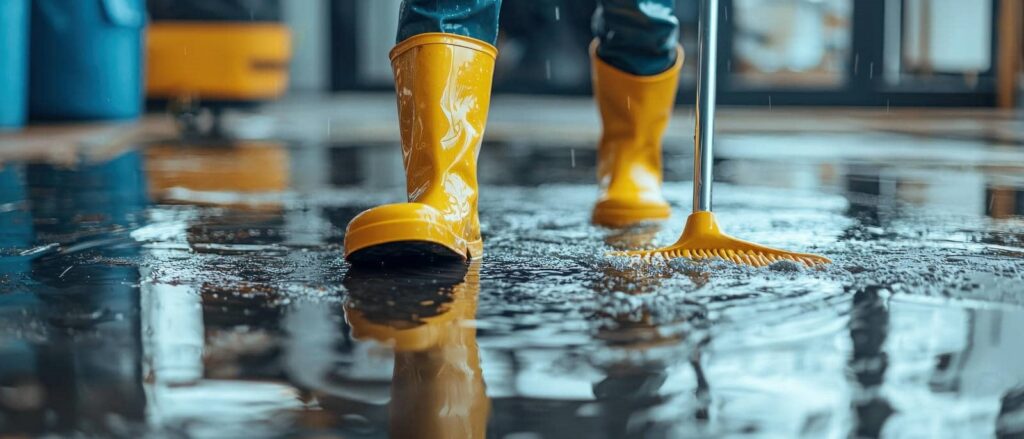
Did you know that nearly 14,000 people experience a water damage emergency every day in the U.S.? When faced with such an incident, it’s essential to act swiftly and methodically to mitigate damage. From prioritizing safety to employing effective water damage removal techniques, each step plays an important role. Understanding these five best emergency techniques can make a significant difference in your recovery efforts. Let’s explore how to effectively tackle water damage before it escalates.
Key Takeaways
- Use a submersible pump for efficient removal of large volumes of standing water from affected areas.
- Employ a wet/dry vacuum for smaller spaces, ensuring to empty it regularly to maintain suction.
- Utilize mops and towels to soak up residual moisture after initial water removal techniques.
- Set up fans and dehumidifiers to enhance airflow and reduce humidity in the affected areas.
- Regularly monitor for hidden moisture and signs of mold growth to prevent long-term damage.
Prioritize Safety During Flood Assessment
When evaluating a flood situation, it’s crucial to prioritize safety above all else.
Begin by equipping yourself with appropriate safety equipment, such as life vests, sturdy footwear, and gloves. These items protect against flood hazards, including sharp debris and contaminated water.
Always assess the area for potential dangers before entering; swift currents and submerged obstacles can pose significant risks. Stay informed about weather updates and local advisories, as conditions can change rapidly.
If you encounter flooding, avoid wading through water, as it may hide electrical hazards. Instead, maintain a safe distance from the flood zone and report any emergencies to authorities.
Turn Off Your Electricity and Water Supply
Before you begin any water damage removal efforts, it’s important to turn off your electricity and water supply to prevent further hazards.
Start by locating your main electrical panel and turning off the circuit breakers. This step is significant for emergency preparedness, ensuring you’re safe from electrical shock while managing utilities.
Next, find your main water valve, typically located near the foundation of your home. Turn it clockwise to shut off the supply. This action minimizes additional water exposure and limits damage.
Both steps are essential in utility management during a flood situation. By taking these precautions, you’re not only protecting yourself but also creating a safer environment for effective water damage removal efforts.
Effective Water Removal Techniques for Flood Damage Cleanup
With the electricity and water supply turned off, you can now focus on removing the water swiftly and effectively.
Start by using a submersible pump to extract large volumes of standing water. For smaller areas, a wet/dry vacuum works well; make sure you empty it regularly to maintain efficiency.
After initial removal, deploy mops and towels to soak up residual moisture. Utilize bucket brigades if necessary to transport water out efficiently.
Implementing these flood damage cleanup strategies will help minimize damage and prevent mold growth. Always wear protective gear to safeguard against contaminants.
Finally, keep a detailed log of your efforts, as this can be valuable for insurance claims. Your methodical approach will foster a sense of community and support during this challenging time.
Dry Affected Areas With Fans and Dehumidifiers
To effectively dry the affected areas after water removal, you should immediately set up fans and dehumidifiers.
Start by strategically placing fans to enhance airflow; position them to face walls or corners to push moisture out. Aim for a fan placement that maximizes coverage across wet surfaces.
Next, adjust your dehumidifier settings based on the humidity levels in the room. A lower setting works best for high humidity, while a moderate setting suits drier conditions. Verify the dehumidifier is vented properly to expel moist air outside.
Run both devices continuously for ideal results, and check their performance regularly to verify they’re effectively reducing moisture levels. This methodical approach will help you restore your space efficiently and effectively.
How to Monitor and Prevent Mold Growth After Flooding?
How can you effectively monitor and prevent mold growth after flooding? Start by ensuring moisture control in affected areas. Use dehumidifiers to maintain indoor humidity levels below 60%.
Regularly check for hidden moisture in walls, ceilings, and flooring, as mold thrives in damp environments. Implement mold prevention strategies by cleaning surfaces with a mixture of water and detergent, and consider using mold-resistant products during repairs.
Inspect your home weekly for any signs of mold, such as discoloration or musty odors. Keep an eye on ventilation in areas like bathrooms and kitchens; proper airflow can mitigate moisture buildup.
Frequently Asked Questions
What Are the Signs of Hidden Water Damage?
You’ll notice signs of hidden water damage through peeling paint, mold growth, or warped surfaces. Regular moisture detection can reveal hidden leaks behind walls, ensuring you address the issue before it escalates into a bigger problem.
Can I Use a Regular Vacuum for Water Removal?
You can’t use a regular vacuum for water removal; it’ll break down. Instead, consider specialized vacuum types designed for water extraction methods, ensuring you effectively manage moisture and prevent further damage to your space.
How Long Does It Take for Water Damage to Appear?
Water damage can appear within minutes to hours, depending on moisture detection. The water damage timeline is essential; if not addressed quickly, it could lead to structural issues and mold growth, affecting your home’s integrity.
Is Insurance Coverage Available for Flood Damage?
Yes, flood insurance is available and often essential. Think of it as a safety net; it catches you when disaster strikes. Explore various coverage options to find what best suits your needs and protects your home.
When Should I Call a Professional for Water Damage?
You should call a professional when you notice signs of urgency, like significant water pooling, persistent leaks, or mold growth. These issues can escalate quickly, and timely intervention is essential to prevent further damage.
To Sum Up
In the aftermath of water damage, think of your home as a sponge, soaking up moisture that can lead to mold and decay. By swiftly turning off utilities, employing effective removal techniques, and strategically drying out the space, you can reclaim your sanctuary. Keep a vigilant eye on humidity levels, as they’re the silent sentinels against mold growth. With these methods, you’re not just cleaning up; you’re safeguarding your home’s future against the relentless tide of water damage.