
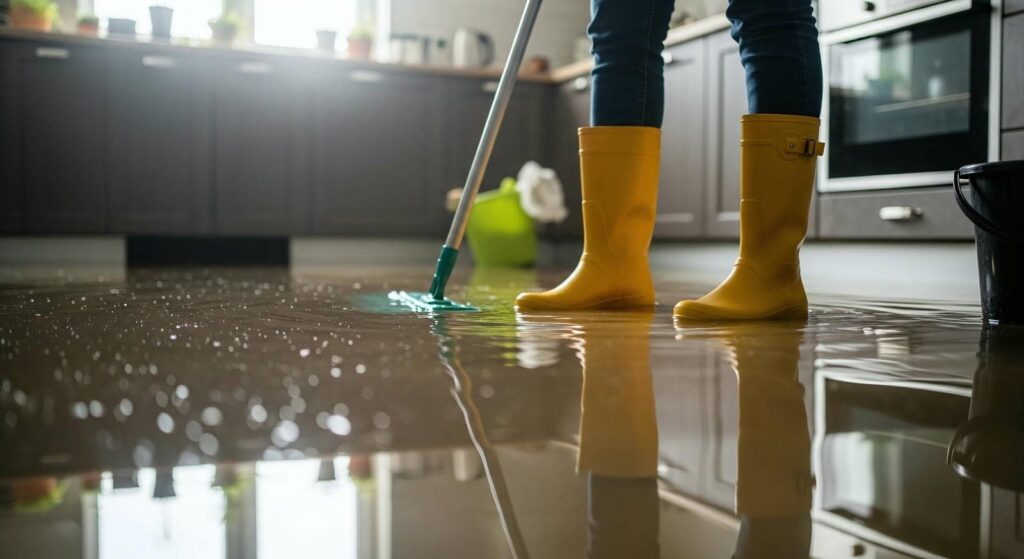
When water invades your home, it can feel like an unwelcome guest that overstays its welcome. You might think a quick cleanup will suffice, but without effective techniques, you risk long-term damage and health issues. Mold can flourish, and structural integrity can be compromised. Understanding the right methods can make all the difference. What steps should you take to guarantee your home—and your peace of mind—are fully restored?
Key Takeaways
- Effective cleanup prevents long-term health issues, such as mold growth, by addressing water damage promptly.
- It restores the sense of safety and community among affected individuals, facilitating emotional recovery.
- Thorough cleanup enhances property value and ensures structural integrity, protecting against future risks.
- Utilizing professional help ensures a comprehensive assessment, identifying hidden issues that may compromise safety.
- Engaging in cleanup fosters a sense of belonging and support within the community during recovery efforts.
Understanding the Importance of Flood Damage Cleanup
When floods strike, the aftermath can be devastating, making it essential for you to understand the importance of effective cleanup. The flood aftermath often leaves behind not just physical damage, but emotional scars as well.
Engaging in the recovery process isn’t merely about restoring your home; it’s about rebuilding your sense of safety and community. Each step you take in cleanup helps you reclaim your space and fosters a sense of belonging among those affected.
Recognizing the significance of thorough cleanup can prevent long-term health issues, mold growth, and structural damage. By prioritizing effective flood damage cleanup, you’re not just addressing immediate concerns; you’re paving the way for a stronger, more resilient future for yourself and your loved ones.
Step-By-Step Guide to Flood Damage Cleanup
Effective flood damage cleanup requires a systematic approach to guarantee that every aspect of recovery is addressed thoroughly.
Start by contacting your flood insurance provider to understand coverage and initiate claims, which can alleviate some financial stress.
Next, assess the damage, documenting it with photos for your records.
Begin removing water using pumps and wet vacs, followed by drying out the affected areas with fans and dehumidifiers.
Discard any severely damaged items to prevent mold growth.
Once the space is dry, clean and disinfect surfaces to assure safety.
Finally, develop a recovery timeline to keep track of your progress and re-establish a sense of normalcy.
Essential Tools for Effective Flood Cleanup
Having the right tools at your disposal can greatly impact the efficiency and success of your flood cleanup efforts. Essential cleanup supplies like heavy-duty trash bags, gloves, and masks protect you while you work.
A reliable wet/dry vacuum is vital for removing water quickly, while fans and dehumidifiers help dry out affected areas to prevent mold growth. You’ll also need sturdy mops and buckets for additional cleaning.
Remember, flood cleanup equipment such as a squeegee can make it easier to clear residual water from surfaces. Investing in quality tools not only speeds up the process but also guarantees your safety and well-being.
When you’re equipped, you foster a sense of community and support as you tackle the challenges of recovery together.
How to Effectively Use Flood Cleanup Tools
Though flood cleanup tools are essential, knowing how to use them effectively can make all the difference in your recovery efforts. Start by familiarizing yourself with each tool and the specific flood cleanup techniques associated with it.
For instance, when using a wet/dry vacuum, guarantee it’s set to the right mode for sucking up water while avoiding debris. Practice effective tool usage by organizing your workspace, which can streamline your process and reduce stress.
Don’t forget safety; wear protective gear and follow manufacturer guidelines. As you tackle the mess, remember you’re not alone—many share this experience. Support each other and exchange tips to enhance your cleanup journey, fostering a sense of community in the face of adversity.
Preventing Mold Growth After Flooding
As you begin the flood damage cleanup process, preventing mold growth should be a top priority, since mold can develop within 24 to 48 hours of water exposure.
Start by using effective mold prevention techniques, such as removing wet materials and thoroughly drying your space. Fans and dehumidifiers are invaluable for moisture control methods, helping to reduce humidity levels.
Make sure to ventilate closed areas and keep windows open when weather permits. Inspect for hidden moisture in walls and ceilings, and don’t hesitate to discard items that can’t be salvaged.
Safety Tips for Flood Damage Cleanup
When you start the cleanup process after a flood, prioritizing your safety is essential.
Make sure you wear protective gear, like gloves and boots, to shield yourself from contaminants.
Additionally, always assess electrical hazards before working in flooded areas to prevent potential shocks or injuries.
Wear Protective Gear
While starting on flood damage cleanup, prioritizing your safety is essential.
Wearing appropriate protective equipment not only safeguards you from immediate hazards but also fosters a sense of community responsibility. Equip yourself with gloves, masks, and waterproof boots to shield against contaminants and sharp objects.
Adhering to safety protocols can greatly minimize your risk of injury or illness. Remember, you’re not just protecting yourself; you’re setting an example for others involved in the cleanup.
By showing that you care about safety, you encourage your neighbors to do the same. A collective effort guarantees that everyone remains safe while restoring your environment.
Assess Electrical Hazards
After ensuring you’re properly protected, the next step is to assess electrical hazards in your environment.
Start by identifying any damaged wiring, appliances, or outlets that may have been exposed to water. Remember, electrical safety is paramount during cleanup. If you notice any frayed cords or significant damage, don’t hesitate to contact a professional electrician.
Always avoid standing water while inspecting electrical systems, as this increases your risk of shock. Turn off the main power supply if it’s safe to do so, and use a battery-operated flashlight to navigate.
When Should You Hire Professional Help for Flood Cleanup?
If you’re facing severe water damage, it’s essential to contemplate professional help.
Contaminated water can pose serious health risks, and evaluating structural integrity is often beyond the capabilities of most homeowners.
Recognizing these factors early can save you time, money, and further complications down the line.
Severe Water Damage
When your property experiences severe water damage from flooding, knowing when to call in professional help can make all the difference in preventing long-term issues.
If you notice mold, structural damage, or persistent moisture, it’s vital to act quickly. Professional cleanup not only guarantees thorough removal of water but also protects your flood insurance claims and maintains your property valuation.
Experts understand the complexities of water damage and can identify hidden problems that you might miss.
Don’t underestimate the emotional toll of dealing with flood damage; having a team of professionals can provide you with peace of mind, allowing you to focus on rebuilding and restoring your home.
Contaminated Water Exposure
Since contaminated water can pose serious health risks, knowing when to hire professional help for flood cleanup is essential.
If you’ve encountered floodwaters from contaminated water sources—like sewage, chemicals, or agricultural runoff—your safety should be a priority. These waters can carry harmful pathogens, leading to illnesses that affect you and your loved ones.
It’s important to recognize that DIY cleanup mightn’t eliminate all hazards, especially if you lack the proper gear and training. When in doubt, consider seeking professionals who are equipped to handle these situations safely.
They not only understand the health risks involved but also have the right tools and expertise to restore your space effectively, ensuring that your home remains a safe haven for everyone.
Structural Integrity Concerns
Understanding the structural integrity of your home is essential after a flood, especially because compromised structures can lead to significant safety hazards.
If you notice sagging ceilings, cracks in walls, or warping floors, it’s vital to act quickly. Professional help can conduct thorough structural assessments and integrity evaluations to identify hidden issues.
They’ve the expertise to spot structural weaknesses you might overlook, ensuring your home remains safe and secure. It’s not just about restoring your living space; it’s about protecting your family.
What Are the Costs Involved in Flood Damage Cleanup?
As you navigate the aftermath of a flood, it’s vital to grasp the various costs associated with cleanup, which can quickly accumulate.
A thorough cost breakdown typically includes water extraction, drying, mold remediation, and repairs. You might also face expenses for replacing damaged furniture and personal items, which can add up fast.
If you’re filing insurance claims, understanding your policy’s coverage is important, as some costs may be reimbursed while others might not.
Keep in mind that hiring professionals for flood damage cleanup can save you time and reduce long-term risks, even though it might seem like a larger upfront investment.
Balancing these costs with the need for effective restoration can help you regain a sense of normalcy after the disaster.
Tips for Minimizing Flood Damage as a Homeowner
When a flood threatens your home, taking proactive steps can greatly minimize damage and safeguard your property. Start by investing in flood insurance; it can make a significant difference in recovery.
Next, assess your homeowner preparedness—create an emergency plan and gather essential supplies, including important documents. Elevate electrical equipment and appliances to reduce damage risk, and consider installing sump pumps or backflow valves to manage water flow.
Regularly check drainage systems and gutters to make sure they’re clear.
Finally, engage with your community; sharing experiences and resources can strengthen your collective resilience. By taking these actions, you’re not just protecting your home; you’re fostering a sense of belonging and support within your neighborhood during challenging times.
Long-Term Benefits of Flood Cleanup
Effective flood cleanup not only restores your home but also offers significant long-term benefits that can enhance your property’s resilience. By addressing water damage promptly, you’re investing in long-term recovery, preventing mold growth and structural deterioration that could harm your living environment.
This proactive approach not only safeguards your family’s health but also contributes to maintaining or even increasing your property value. When potential buyers see a well-maintained home, they’re more likely to appreciate its worth.
Additionally, thorough cleanup fosters a sense of community belonging, as you’re contributing to the overall safety and aesthetics of your neighborhood.
In the end, effective flood cleanup isn’t just about recovery; it’s about ensuring a brighter future for your home and community.
Frequently Asked Questions
How Can I Identify Hidden Flood Damage in My Home?
To identify hidden flood damage, check for hidden moisture behind walls and under floors. Look for discoloration, warped surfaces, or musty odors, as they’re signs that could compromise your home’s structural integrity and safety.
What Insurance Coverage Typically Applies to Flood Damage Cleanup?
Flood insurance usually covers cleanup policies after a flood, including repairs and restoration. It’s essential you review your specific policy details to understand your coverage limits and any exclusions that might apply in your situation.
Are There Eco-Friendly Cleaning Options for Flood Damage?
Yes, you can use biodegradable cleaners and natural disinfectants for flood damage. These eco-friendly options minimize environmental harm while effectively cleaning and sanitizing, helping you feel good about your choices as you restore your space.
How Do I Handle Contaminated Water During Cleanup?
When handling contaminated water, prioritize cleanup safety by wearing protective gear, including gloves and masks. Contain the water, avoid contact, and consult professionals for proper disposal to guarantee your health and environment remain safeguarded.
What Should I Do With Damaged Personal Belongings After Flooding?
You should carefully assess damaged personal belongings, prioritizing salvaging items that can be cleaned and restored. For irreparable items, use proper disposal methods, ensuring environmental safety while letting go of what can’t be saved.
Recap
Utilizing effective flood damage cleanup techniques not only safeguards your space but also promotes peace of mind. By acting promptly and purposefully, you can prevent persistent problems like mold and structural issues. Remember, every action counts in restoring your home and health. Prioritizing proper procedures will pave the path to a safer, stronger sanctuary. In this journey of recovery, your proactive approach can transform turmoil into triumph, ensuring lasting benefits for you and your loved ones.