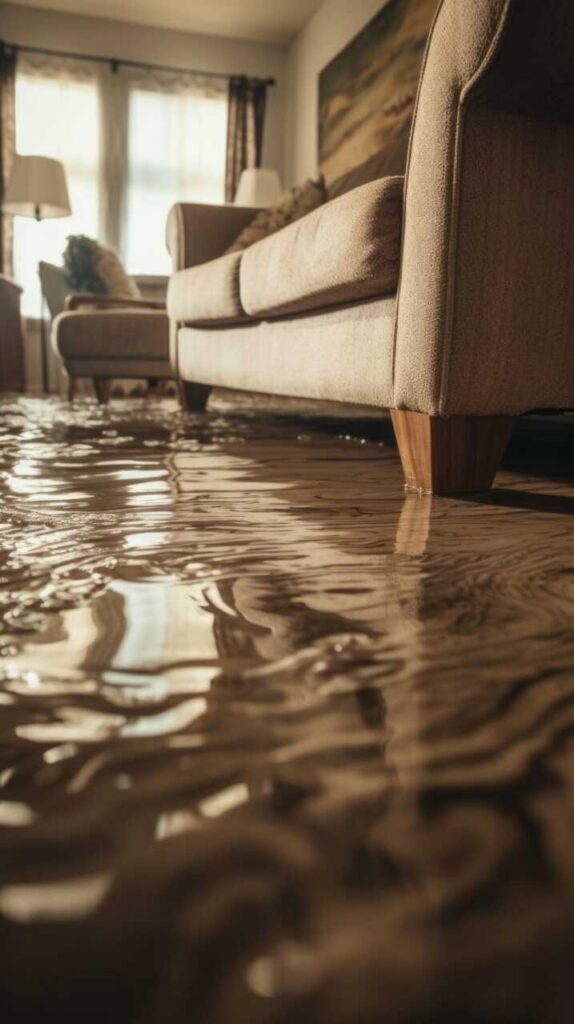
According to recent studies, nearly 90% of flood damage goes unassessed, leaving homeowners vulnerable to financial loss. When you face such a disaster, understanding the complete flood damage assessment process is vital. Knowing how to evaluate your property thoroughly can make all the difference in recovery. So, what are the first steps you should take to guarantee you’re properly documenting the damage? Let’s explore the essential aspects of this assessment.
Key Takeaways
- Prioritize safety by wearing protective gear and assessing visible dangers before entering flooded areas.
- Inspect the home structure thoroughly for cracks, water damage, and signs of mold growth.
- Utilize essential tools like moisture detectors and infrared cameras to identify hidden damage.
- Document all flood damage meticulously with photographs and written descriptions for insurance claims.
- Consult professionals for a comprehensive evaluation and to ensure proper recovery and repairs.
First Steps for Flood Damage Assessment
When you begin evaluating flood damage, it’s essential to prioritize safety before venturing into affected areas.
Start by taking initial safety precautions, like wearing protective gear such as boots and gloves. Make certain you have a flashlight and a first-aid kit on hand. Familiarize yourself with your emergency contact list; you might need to reach out to local authorities or emergency services if conditions seem hazardous.
Check for visible dangers like downed power lines or unstable structures before entering any building. It’s also wise to have a buddy with you during the assessment for added safety and support.
How to Check Your Home’s Structure After Flooding?
How can you guarantee your home’s structure is safe after flooding? Start by inspecting the foundation for cracks or shifting, as these issues directly impact your home’s structural integrity.
Check for signs of water damage in walls, ceilings, and floors; this could indicate compromised materials.
Look for mold growth, which can affect your family’s health and signal underlying issues.
Pay attention to windows and doors; if they stick or don’t close properly, it may suggest structural shifts.
Remember, enhancing your home’s flood resilience involves not just repairs but also future-proofing against potential flooding.
Consider consulting a professional engineer for a thorough assessment, ensuring your home remains a safe haven for you and your loved ones.
Must-Have Tools for Effective Flood Damage Assessment
After ensuring your home’s structure is sound, the next step involves gathering the right tools for a thorough flood damage assessment. You’ll need essential flood assessment tools to accurately identify and evaluate the extent of the damage.
Start with moisture detection devices, which can reveal hidden moisture levels in walls and floors, helping you pinpoint affected areas. Invest in a quality infrared camera; it visually detects temperature variations, indicating potential water intrusion.
A detailed measuring tape will help you document damage dimensions, while a camera aids in recording your findings for insurance claims. With these tools in hand, you’ll be well-prepared to tackle the assessment process methodically, ensuring no detail is overlooked in restoring your home.
Spotting Hidden Water Damage and Mold Risks
When evaluating flood damage, you need to look beyond visible signs and identify common indicators of hidden water damage.
Check for discoloration on walls, musty odors, and warped surfaces, as these can signal potential mold growth.
To prevent these issues, maintain proper ventilation and address any leaks promptly.
Common Signs of Water Damage
Water damage often lurks beneath the surface, making it essential to identify common signs before they escalate.
Look for water stains on ceilings, walls, or floors; they can indicate leaks from above. Swelling wood, especially in flooring or cabinetry, signals prolonged exposure to moisture.
Pay attention to musty odors, as they often accompany hidden water damage. Check for peeling paint or wallpaper, which can suggest underlying dampness.
If you notice an increase in humidity or condensation, it might mean water is accumulating somewhere it shouldn’t.
Mold Growth Prevention Tips
Identifying and addressing water damage is just the first step; preventing mold growth requires vigilance and proactive measures.
You need to maintain humidity control and regularly inspect your space for hidden moisture.
Here are some effective mold prevention tips:
- Use dehumidifiers in damp areas to keep humidity levels below 60%.
- Fix leaks promptly to eliminate sources of water intrusion.
- Ventilate bathrooms and kitchens to disperse moisture effectively.
- Inspect roofing and gutters to prevent water accumulation.
- Store belongings in dry, ventilated areas to avoid creating mold-friendly environments.
Documenting Flood Damage for Insurance Claims
When documenting flood damage for insurance claims, you need a systematic approach to guarantee all necessary details are captured.
Start with an essential documentation checklist to cover every aspect of the damage, then focus on photographing the damage effectively to create a clear visual record.
This meticulous process will strengthen your claim and facilitate a smoother insurance review.
Essential Documentation Checklist
A thorough documentation checklist is essential for effectively filing insurance claims after flood damage.
You’ll want to guarantee you have all necessary paperwork to support your flood insurance claim and streamline the restoration process.
Here’s a checklist to guide you:
- Policy Information: Keep a copy of your flood insurance policy handy.
- Before and After Inventory: List all affected items, noting their condition pre-flood.
- Receipts and Estimates: Collect receipts for repairs and restoration services.
- Correspondence Records: Document all communication with your insurance provider.
- Emergency Response Documentation: Note any immediate actions you took post-flood.
Having this checklist ready can make a significant difference in the claims process, helping you feel organized and supported throughout this challenging time.
Photographing Damage Effectively
After gathering your essential documentation, the next step in effectively filing your flood insurance claim involves photographing the damage.
Use specific photographic techniques to capture clear and detailed images. Start by documenting the overall scene, then focus on individual damage angles to illustrate the extent of the destruction.
Make sure you include wide shots for context, alongside close-ups that reveal critical details, such as watermarks or structural damage. Take multiple photos from various perspectives to provide an extensive view of the affected areas.
Additionally, consider using natural light for better clarity and avoid clutter in your shots. These thorough images will support your claim, making it easier for your insurance adjuster to understand the situation and expedite your process.
Understanding Causes and Categories of Flood Damage
Understanding the causes and categories of flood damage is essential for effective assessment and recovery. Familiarizing yourself with flood sources and damage types helps you navigate the complexities of restoration.
Here are key points to reflect upon:
Natural Flood Sources: Heavy rain, snowmelt, and hurricanes.
Man-Made Flood Sources: Dam failures, urban runoff, and poor drainage systems.
Types of Damage: Structural, electrical, and mold-related issues.
Duration of Exposure: The longer materials remain wet, the greater the damage.
Geographic Impact: Some areas are more prone to specific flood types.
Frequently Asked Questions
How Can I Prevent Future Flooding in My Home?
You can prevent future flooding by implementing effective drainage solutions, like gutters and downspouts, and utilizing landscaping strategies that redirect water away from your home, ensuring a safer, more secure living environment for you and your family.
What Should I Do if I Find Hazardous Materials After Flooding?
If you stumble upon hazardous waste, prioritize your safety. Evacuate the area, then contact local authorities for proper disposal. Document everything meticulously, and follow safety measures to protect yourself and others from potential harm.
Are There Any Government Assistance Programs for Flood Victims?
Yes, you can access federal assistance through FEMA and explore local programs that offer financial aid or resources. It’s important to research and connect with organizations that support flood victims in your area for thorough help.
How Do I Choose a Reliable Flood Damage Restoration Service?
To choose a reliable flood damage restoration service, research reviews from past clients and compare quotes. Look for transparency, responsiveness, and certifications to guarantee you’re making an informed decision that meets your needs.
What Health Risks Should I Be Aware of After a Flood?
After a flood, you should watch for health risks like mold growth and contaminated water. Prioritize flood safety and mold prevention by promptly drying areas and cleaning surfaces to protect yourself and your loved ones.
Wrap-Up
In the aftermath of flooding, your home may feel like a shipwrecked vessel adrift in a stormy sea. By following this guide, you can methodically assess the damage, ensuring no detail slips through the cracks. With the right tools and strategies, you’ll navigate the treacherous waters of recovery, spotting hidden risks and documenting every aspect for your insurance claims. Remember, thoroughness today can steer you toward a safer, more secure tomorrow in your restored haven.