
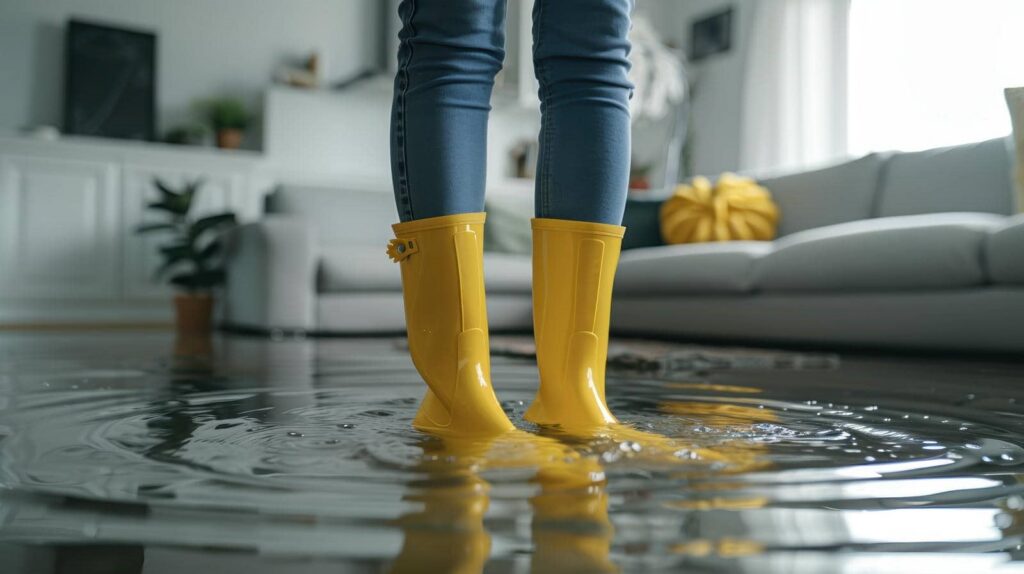
When your home faces flood damage, knowing how to assess the situation is vital. You’ll need to prioritize safety and methodically inspect key areas for signs of water damage and structural issues. This damage assessment checklist can guide you through the process, ensuring you don’t overlook anything important. But before you begin, it’s important to understand the safety precautions you must take to protect yourself. Let’s explore what you need to know.
Key Takeaways
- Wear safety gear and ensure the area is safe before conducting any inspections or clean-up efforts.
- Inspect walls, floors, and the foundation for signs of damage like discoloration, buckling, or cracks.
- Evaluate electrical and plumbing systems for moisture, leaks, and functionality, turning off the main power supply first.
- Document all damage with clear photos and detailed notes for insurance claims and future repairs.
- Contact professionals for extensive damage or safety concerns, and report the damage to your insurance company promptly.
Why Assessing Flood Damage Is Critical for Your Home
When your home faces flooding, analyzing the damage quickly is essential for protecting your investment and guaranteeing your family’s safety.
The flood aftermath can be devastating, and as a homeowner, you’ve got responsibilities to manage. First, you need to document the damage thoroughly for insurance claims. This not only helps with potential financial recovery but also ensures you’re aware of what needs immediate attention.
Don’t overlook structural issues or hazardous materials that may have been introduced. Acting promptly can prevent further loss and safeguard your loved ones.
Essential Safety Precautions Before Inspecting Flood Damage
Before stepping into a flood-damaged area, it’s essential to prioritize your safety.
You want to make sure you’re protected while evaluating the situation. Here are some key precautions to take:
- Wear appropriate safety gear, including boots, gloves, and masks.
- Check for structural damage before entering any building.
- Have your emergency contacts readily available in case of accidents.
- Avoid touching any electrical systems if water is present.
Top Areas to Check for Flood Damage: Walls, Floors, and Basements
Having confirmed your safety, it’s time to focus on evaluating the flood damage in your home, particularly in key areas like walls, floors, and basements.
Start with a thorough walls inspection; look for discoloration, peeling paint, or warping, which can indicate moisture retention.
For floor damage, check for buckling, stains, or soft spots that could signal water absorption.
Pay close attention to your basement, as it often collects the most water. Inspect for mold or mildew, which can pose health risks.
Document everything you find, and don’t hesitate to reach out for professional help if needed.
You’re not alone in this; many homeowners face similar challenges, and support is available.
Identify Structural Damage After a Flood
After a flood, it’s vital to assess any structural damage to guarantee your safety.
Start by inspecting the foundation for cracks and shifts, then check walls and ceilings for signs of warping or mold.
Finally, don’t forget to evaluate the roof for missing shingles or leaks that could lead to further issues.
Inspect Foundation Integrity
A thorough inspection of your foundation is essential immediately following a flood, as even minor water exposure can lead to significant structural damage.
Ensuring foundation stability is crucial for your home’s overall safety and flood resilience. Here are some key areas to focus on during your inspection:
- Look for cracks or gaps in the foundation walls.
- Check for signs of settling or shifting of the structure.
- Inspect the area around the foundation for excessive water pooling.
- Monitor for mold or mildew growth, which can indicate trapped moisture.
Check Walls and Ceilings
Inspecting your walls and ceilings is vital for identifying structural damage after a flood. Start by looking for wall discoloration, which can signal water damage or mold growth. These changes often hint at deeper issues that could compromise your home’s integrity.
Next, check for ceiling stains, especially around light fixtures or vents, as this may indicate water pooling above. Take note of any cracks, bulges, or soft spots these could be signs of significant structural concerns.
Document everything, as this information will be important for insurance claims and repairs. Remember, you’re not alone in this; many homeowners face these challenges. By being proactive, you can guarantee your home remains a safe and welcoming space for you and your loved ones.
Assess Roof Condition
Sometimes, the roof can be the most vulnerable part of your home during a flood, so it’s crucial to assess its condition promptly.
Start by checking for any signs of roof leaks or structural damage that could worsen over time. Here are a few things to look for:
- Missing or damaged shingles: Look for any shingles that are cracked, curled, or completely missing.
- Water stains: Inspect the interior ceilings for signs of water stains, indicating leaks.
- Sagging areas: Check for any sagging sections, which could signal serious structural issues.
- Debris buildup: Remove any debris that may have accumulated, as it can trap water and cause further damage.
Taking these steps will help guarantee your roof remains a strong protector for your home.
Assess Electrical and Plumbing Systems for Safety
After a flood, it’s essential to assess your electrical and plumbing systems for safety.
Start by inspecting the integrity of your electrical wiring and checking if your circuit breakers are functioning properly.
Then, evaluate any damage to your plumbing system to prevent further issues down the line.
Inspect Electrical Wiring Integrity
When evaluating flood damage, checking the integrity of electrical wiring is crucial for your safety. Water can compromise wiring safety, leading to potential hazards.
Here’s what you should focus on during your electrical inspections:
- Look for signs of moisture or corrosion on outlets and switches.
- Check exposed wiring for frays or damage.
- Verify that all connections are secure and dry.
- Consider hiring a professional to assess any suspicious areas.
Taking these steps can help you identify risks and protect your home.
Check Circuit Breaker Functionality
How can you guarantee your electrical system is safe after a flood? Start by checking your circuit breaker functionality. This vital step confirms that your home’s electrical safety is intact. Look for any tripped breakers or signs of damage. If you notice anything unusual, don’t hesitate to reset the breaker or consult with a professional electrician.
Floodwaters can compromise your electrical system, leading to potential hazards. Be certain to turn off the main power supply before inspecting, and never work on electrical systems while standing in water.
Your safety is paramount, and taking these precautions helps protect not just your home but also your loved ones. Remember, it’s always better to be safe than sorry when it comes to electricity.
Evaluate Plumbing System Damage
Once you’ve guaranteed your electrical system is safe, it’s time to evaluate your plumbing system for damage.
Floods can cause significant issues, and recognizing them early can save you time and money.
Here’s what to check for:
- Look for plumbing leaks around fixtures and pipes.
- Inspect for signs of pipe corrosion, which can weaken your plumbing system.
- Check water pressure; low pressure may indicate hidden leaks.
- Examine your water heater for damage or rust.
What to Look for in Your Belongings After a Flood?
After a flood, what should you look for in your belongings to determine their safety and usability?
Start by evaluating your personal belongings, focusing on items that are irreplaceable or hold sentimental value.
Check for signs of water damage, such as discoloration, mold, or an unpleasant odor. If an item feels soggy or soft, it’s likely a loss.
For salvage items, consider the material: wood and fabric are often more susceptible to damage than metal or plastic.
Clean and dry undamaged items thoroughly to prevent mold growth, but remember that some belongings may need to be discarded.
Prioritize what can be saved, ensuring you keep what’s most meaningful to you during this challenging time.
Documenting Flood Damage for Insurance Claims
As you begin to assess the damage from a flood, documenting everything is essential for your insurance claims.
Accurate insurance documentation will streamline your claim submission and help you receive the support you need.
Here are a few key steps to follow:
- Take clear photos of all affected areas and items.
- List damaged items with descriptions and estimated values.
- Keep receipts for repairs or replacements, if applicable.
- Note the date and time of the flood event.
When to Call in Professionals for Flood Damage Assessment?
While you might feel inclined to handle flood damage assessment on your own, there are times when calling in professionals is essential.
If the damage is extensive, or if you notice signs of structural compromise, it’s best to seek professional services. They’ve the expertise to evaluate hidden damage, like mold or electrical issues, that you might overlook.
Additionally, if you’re feeling overwhelmed or unsure about the next steps in your flood recovery, professionals can guide you through the process.
When safety is at stake, don’t hesitate to reach out for help. Remember, you’re not alone in this; getting support can make a significant difference in your recovery journey.
What to Do Next After Assessing Flood Damage?
Once you’ve assessed the flood damage and determined the extent of the impact, it’s time to take action.
You’re not alone in this; many homeowners face similar challenges. Here are some essential flood recovery tips to help you navigate the next steps:
- Contact your insurance company to report the damage and initiate your claim.
- Document the damage with photos and notes for your records and insurance purposes.
- Reach out for homeowner resources available in your community, such as local aid organizations or government assistance programs.
- Begin clean-up efforts safely, wearing protective gear and ensuring electricity and gas lines are secure.
Taking these steps can help you regain control and move forward in your recovery journey.
Frequently Asked Questions
How Long Does It Take for Flood Damage to Affect My Home?
Flood damage can start affecting your home within hours of exposure, depending on flood duration. The damage timeline accelerates with prolonged water presence, leading to structural issues, mold growth, and costly repairs if not addressed promptly.
Can I File an Insurance Claim for Flood Damage?
Yes, you can file an insurance claim for flood damage if you have flood insurance. Start the claim process quickly, documenting the damage and reaching out to your insurer to navigate the next steps together.
What Should I Do if I Discover Mold After Flooding?
If you discover mold after flooding, act quickly. Use mold prevention strategies and remediation techniques, like cleaning surfaces with soap and water, to eliminate it. Don’t hesitate to seek professional help for extensive damage.
Are There Any Government Assistance Programs for Flood Victims?
You’ll find a treasure trove of government assistance programs for flood victims! Disaster relief and financial aid options are available to help you rebuild your life and restore your sense of belonging after such devastation.
How Can I Prevent Future Flooding in My Home?
You can prevent future flooding by installing flood barriers around your property and exploring effective drainage solutions. Regularly maintain gutters and downspouts to guarantee water flows away, creating a safer environment for you and your family.
Review
So, after you’ve bravely ventured into the soggy chaos of your home, remember: flood damage assessment isn’t just a fun scavenger hunt! It’s essential for your safety and finances. While you’re at it, don’t forget to document every waterlogged treasure for your insurance claim because who wouldn’t want to relive the thrill of a soggy sock collection? Seriously though, take it seriously, and if the damage is overwhelming, don’t hesitate to call in the pros. Your home deserves it.