When water damage strikes, knowing the quick damage removal steps to address it can save your home and health. Start by ensuring your safety; turn off the power and gear up with protective equipment. Next, identify the water source and stop it if you can. With the right tools, you’ll be ready to extract standing water and dry out your space. But there’s more to reflect upon preventing future damage is equally important. Let’s explore the essential steps you need to take.
Key Takeaways
- Turn off the water source and disconnect electrical appliances to ensure safety during the removal process.
- Remove valuables and furniture to prevent further damage and facilitate water extraction.
- Use a wet/dry vacuum to remove standing water promptly and efficiently.
- Set up dehumidifiers and fans to improve air circulation and reduce moisture levels.
- Regularly check for signs of mold to ensure a safe and healthy environment post-removal.
Understanding Water Damage: Immediate Steps to Take
When you discover water damage in your home, acting quickly is crucial to minimize its impact.
First, identify the water damage types whether it’s from a leak, flood, or condensation. This classification helps you determine your immediate response.
If it’s safe, turn off the water source and disconnect any electrical appliances in the affected area.
Next, remove any valuables or furniture to prevent further damage. Use towels or a wet/dry vacuum to extract standing water, and make certain of proper ventilation to promote drying.
Remember, every minute counts. The sooner you respond, the less extensive the damage will be, ultimately preserving your home’s integrity and your peace of mind.
You’re not alone in this; support is available to guide you through the recovery process.
Ensure Safety Before Equipment Preparation
Before diving into equipment preparation, it’s essential to guarantee everyone’s safety in the affected area. Start by evaluating potential hazards like exposed electrical wires or slippery surfaces. Make sure to turn off the power supply to prevent any accidents.
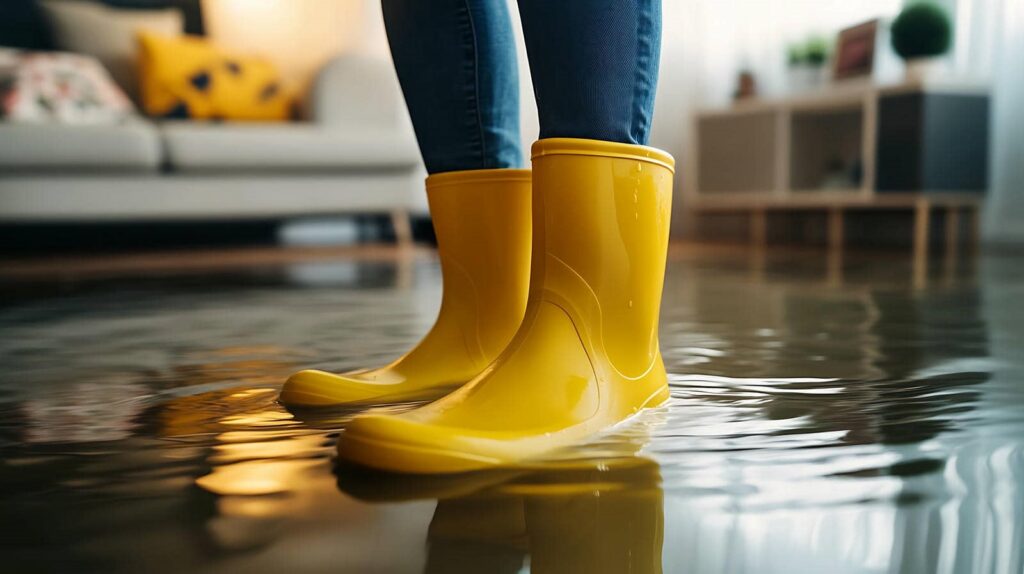
Next, gather personal protective equipment, including gloves, masks, and waterproof boots to shield yourself from contaminants. Encourage everyone involved to wear these protective items at all times.
Implement safety precautions, such as maintaining proper ventilation in the area to avoid mold growth. Clear the workspace of unnecessary items to reduce trip hazards.
Essential Tools for Water Removal: What You Need
With safety measures in place, you can now focus on gathering the right tools for effective water removal.
Start with essential safety gear, such as gloves, boots, and masks, to protect yourself from contaminants.
Next, invest in high-quality water removal equipment, including a wet/dry vacuum for smaller areas and submersible pumps for larger volumes of water.
Dehumidifiers are vital for reducing moisture levels and preventing mold growth.
Don’t forget about fans to enhance air circulation.
You’ll also need absorbent materials like towels and mops for final cleanup.
Having these tools ready guarantees you’re prepared to tackle water damage efficiently, making the process much smoother and safer for you and your space.
Start the Water Extraction Process
Before you begin the water extraction process, assess the extent of the damage to identify the most affected areas.
Gather the necessary equipment, such as pumps and wet vacuums, to guarantee an efficient removal.
Once you’re prepared, start the extraction to minimize further damage and expedite the restoration.
Assess Water Damage Extent
As you assess the extent of water damage, it’s crucial to act swiftly to minimize further issues.
Start by identifying the water source; is it from a burst pipe, flooding, or a leaking roof? Once you’ve pinpointed the cause, conduct a thorough damage assessment.
Check walls, floors, and personal belongings for signs of moisture or structural compromise. Pay attention to hidden areas like behind cabinets or under carpets, as these can harbor mold and mildew if not addressed promptly.
Document your findings with photos and notes, as this will help you make informed decisions moving forward.
Gather Necessary Equipment
After evaluating the extent of water damage, gathering the right equipment is the next step to efficiently start the water extraction process.
You’ll need powerful water pumps to remove standing water quickly, minimizing further damage. Make sure you choose a pump suitable for the volume of water you’re dealing with.
Additionally, moisture meters are essential for measuring the moisture levels in walls and floors. This helps you determine which areas need extra attention to prevent mold growth.
Don’t forget to have safety gear like gloves and masks on hand to protect yourself.
Begin Extraction Process
Start the extraction process by powering on your water pump and positioning it in the area with the deepest standing water.
Verify your equipment setup is secure, as this will maximize efficiency during water extraction. Move any obstacles out of the way to create a clear path for the pump.
Monitor the pump’s progress closely, adjusting its position as needed to reach all affected areas. If you have multiple pumps or wet vacuums, deploy them strategically to speed up the process.
Remember to keep safety in mind: wear protective gear and check for electrical hazards.
Drying Out Your Home: Key Steps
Once you’ve removed standing water, the next vital step is to improve air circulation throughout your home.
You can achieve this by using fans and dehumidifiers to promote drying.
Additionally, regularly monitoring humidity levels will help guarantee the environment remains conducive to effective drying.
Remove Standing Water
To effectively remove standing water from your home, swift action is essential.
Begin by gathering necessary tools like a wet/dry vacuum, mop, and towels. If the flooding is substantial, consider professional water removal services for efficient results.
Start by checking for and shutting off any electricity in affected areas to guarantee safety. Remove furniture and belongings to prevent further damage.
Use the wet/dry vacuum to extract as much water as possible, focusing on corners and under furniture where water may accumulate. For smaller areas, mopping and towels can be effective flooding solutions.
Improve Air Circulation
Improving air circulation is essential for effectively drying out your home after water damage.
Start by using various airflow techniques, such as opening windows and doors to create cross-ventilation. Ceiling fans can also help, as they push moist air away from surfaces. Consider placing box fans in strategic locations to enhance airflow and speed up evaporation.
Additionally, employ ventilation methods like using exhaust fans in bathrooms and kitchens to remove humid air.
If possible, run your HVAC system, as it helps circulate air throughout your home.
Remember, the more air movement you create, the quicker your home will dry out, reducing the risk of mold and further damage.
Take these steps to guarantee your space feels safe and inviting again.
Monitor Humidity Levels
How can you guarantee your home dries out effectively after water damage? One essential step is to monitor humidity levels.
High humidity can hinder the drying process, leading to mold growth and further damage. Invest in a reliable hygrometer for moisture monitoring; this device will help you keep track of the humidity in your space.
Aim to maintain humidity levels below 60% for ideal drying. Use dehumidifiers to support humidity control, especially in the most affected areas.
Regularly check your readings and adjust your drying methods accordingly. By staying proactive with humidity management, you’ll guarantee your home not only dries out effectively but also remains a safe, healthy environment for you and your loved ones.
Check for Mold Growth: Signs to Look For?
Wondering if your home has hidden mold growth after water damage? It’s essential to identify the signs early on.
Look for discoloration on walls or ceilings, often appearing as black, green, or white patches—these are common mold types. Pay attention to any musty odors; they can indicate mold presence even if it’s not visible.
Also, watch for health risks such as persistent coughing, sneezing, or skin irritation among family members. These symptoms might signal mold exposure, which can affect your overall well-being.
Inspect damp areas, particularly around plumbing fixtures and basements. The sooner you detect mold, the better you can protect your home and loved ones from potential harm.
Don’t hesitate; act quickly to guarantee a safe living environment.
How to Prevent Water Damage in the Future
After addressing mold growth, it’s important to take proactive steps to prevent future water damage in your home.
Start by using water-resistant materials, especially in vulnerable areas like basements and bathrooms. These materials can greatly reduce the risk of damage and mold growth.
Additionally, schedule regular inspections of your plumbing and roofing to catch any leaks or vulnerabilities early. Don’t forget to check appliances like washing machines and dishwashers for potential issues.
Confirm your gutters and downspouts are clear to prevent water buildup around your foundation.
Taking these steps not only protects your home but also fosters a sense of security and belonging within your living space. A little prevention goes a long way in safeguarding your environment.
Frequently Asked Questions
How Long Does It Typically Take to Remove Water Damage?
Typically, a water damage timeline ranges from a few days to several weeks, depending on the severity. The drying process is essential; it guarantees your space is safe and free from mold and further damage.
Can I Use a Regular Vacuum for Water Extraction?
You can’t use a regular vacuum for water extraction; it’s like trying to catch a tsunami with a teacup! Instead, opt for specialized vacuum types designed for efficient water extraction methods, ensuring effective and safe cleanup.
What Types of Insurance Cover Water Damage Restoration?
Homeowners policies often cover water damage, but specifics vary. Flood insurance typically covers damage from rising water. Be sure to review your policy details to understand your coverage and avoid surprises during restoration.
Should I Hire Professionals or Do It Myself?
You should seriously consider professional services over DIY methods. Professionals provide precise, prompt, and thorough solutions, ensuring every drop’s dealt with effectively. DIY may seem tempting, but it often leads to more problems than it solves.
How Can I Identify Hidden Water Damage in My Home?
To identify hidden water damage, use water detection methods like moisture meters and thermal imaging. Look for signs of moisture such as discoloration, peeling paint, or musty odors. Early detection helps protect your home and belongings.
Summary
By following these quick steps, you’re not just battling water damage; you’re reclaiming your space, much like a phoenix rising from the ashes. Remember, safety’s your first ally, and vigilance against mold is your shield. Keep air circulating and humidity low, and you’ll safeguard your home from future disasters. With these strategies, you’ll not only restore your environment but also fortify it against the storm’s return. Stay proactive, and let your home thrive once again.