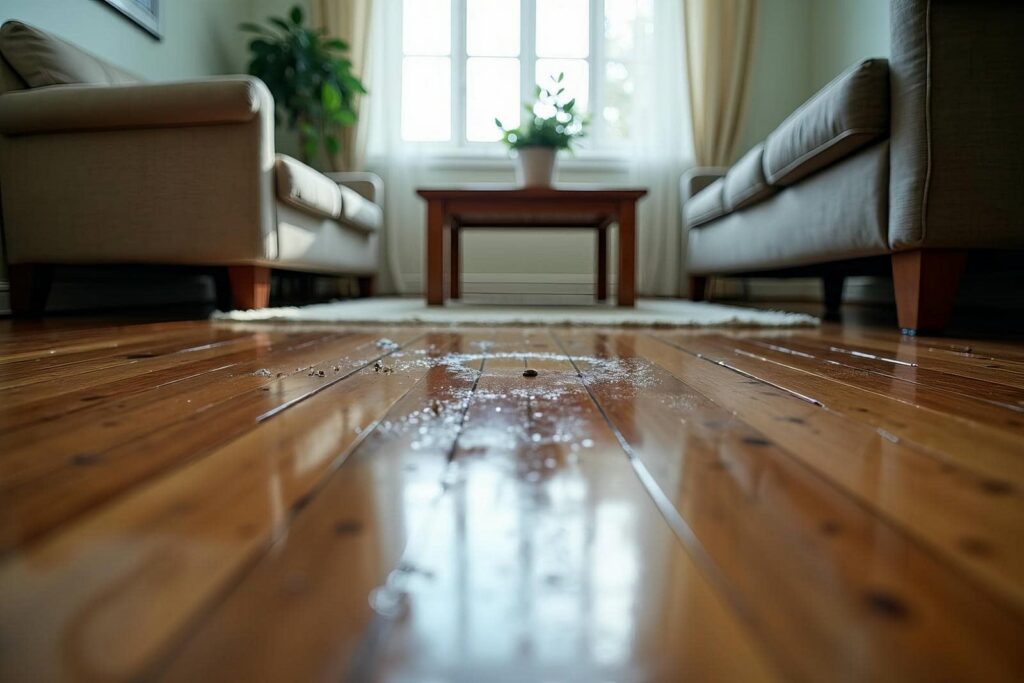
Imagine waking up to find your basement flooded after a heavy rainstorm. In moments like this, knowing how to respond can make all the difference. You need to act quickly to minimize water damage and guarantee safety. There are key steps you can take right away, from evaluating the situation to gathering the right supplies. Let’s explore these essential tips to help you manage the chaos effectively.
Key Takeaways
- Wear protective gear to safeguard against contaminants during cleanup efforts.
- Remove standing water quickly with a wet/dry vacuum and mops for smaller areas.
- Ensure proper ventilation to reduce humidity and prevent mold growth.
- Document damage with notes and photos for insurance claims and future reference.
- Use drying equipment like fans and dehumidifiers to expedite the drying process.
How to Assess Damage and Ensure Safety After Water Incursion
When you discover water damage, it’s essential to act quickly to assess the situation and secure safety.
Start by wearing protective gear like gloves and boots to prevent exposure to contaminants. Next, identify the source of the water intrusion and shut off any utilities if necessary.
Conduct a thorough damage assessment by checking walls, floors, and belongings for signs of water saturation or mold growth. Take notes and photographs to document the extent of the damage, as this will be helpful for future reference.
Finally, guarantee proper ventilation in the affected area to reduce humidity and prevent further complications.
Should You Hire a Pro for Water Damage Cleanup?
After evaluating the damage and guaranteeing safety, you might wonder whether to tackle the cleanup yourself or hire a professional.
While DIY can save money, consider the cost considerations involved. If the damage is extensive or involves mold, hiring a pro may be wise.
Professionals possess the necessary equipment and expertise, guaranteeing thorough cleanup and reducing health risks. Their professional credentials provide peace of mind, knowing they follow industry standards.
Additionally, they can navigate insurance claims effectively, alleviating some stress during this challenging time.
Ultimately, weigh your comfort level, the extent of the damage, and your ability to commit time to the cleanup. Choosing the right path guarantees a swift, effective recovery for your home.
Effective Water Removal Steps
To effectively tackle water removal, start by evaluating the situation and gathering the necessary tools. You’ll need a wet/dry vacuum, mops, and buckets.
Once you’re equipped, employ efficient water extraction techniques. Begin by removing standing water, using the vacuum to tackle larger areas. For smaller spaces, mops and towels can help absorb the remaining moisture.
After the bulk of the water is removed, it’s vital to dry the area thoroughly. Consider various drying equipment options like fans, dehumidifiers, or heaters to expedite the process.
Position these tools strategically to guarantee air circulation reaches all damp spots. Remember, the faster you act, the less damage you’ll face, fostering a safer environment for you and your loved ones.
Prevent Mold Growth After Cleanup
Even though you’ve successfully removed water from your space, it’s essential to take immediate steps to prevent mold growth.
Start by ensuring proper ventilation; open windows and use fans to increase airflow. This helps with humidity control, which is vital for mold prevention. Aim to keep indoor humidity below 50% by using a dehumidifier if necessary.
Additionally, check for any hidden moisture in walls, carpets, and furniture—these are prime spots for mold to thrive. Clean any surfaces that came into contact with water using a mixture of water and detergent.
Finally, regularly inspect your space for any signs of mold, allowing for early intervention if needed. By taking these steps, you foster a healthier, mold-free environment for everyone.
Essential Cleanup Supplies for Water Damage
When dealing with water damage, having the right cleanup supplies on hand is essential for an effective recovery.
You’ll want to make certain you’re prepared with appropriate cleanup tools and safety gear to protect yourself and your home.
Here are three critical items to have ready:
- Wet/Dry Vacuum: This powerful tool helps remove excess water quickly and efficiently.
- Mold Inhibitor: It’s important to prevent mold growth, so having a quality mold inhibitor on hand is key.
- Protective Gear: Gloves, masks, and boots are significant safety gear to protect you from contaminants and guarantee your safety during the cleanup process.
With these supplies, you’ll be better equipped to tackle water damage and restore your space.
Frequently Asked Questions
What Are the Long-Term Effects of Water Damage on a Home?
Water damage can severely impact your home’s structural integrity and lead to mold growth. If left untreated, these issues may compromise safety, decrease property value, and create an unhealthy living environment for you and your family.
How Can I File an Insurance Claim for Water Damage?
To file your water damage claim, start the claim process by contacting your insurer. Gather documentation requirements like photos, repair estimates, and the incident report. Submit everything promptly to guarantee a smooth processing experience.
What Types of Water Damage Are Covered by Insurance?
You might think all water damage is covered, but insurance policies often exclude certain types. Typically, sudden leaks, burst pipes, and storm damage are included, while flooding and neglect usually aren’t. Check your policy for specifics.
How Can I Tell if My Flooring Is Damaged Beyond Repair?
You can tell if your flooring’s damaged beyond repair by checking for warping, discoloration, and mold. Different floor types, like hardwood or laminate, show specific damage indicators, so inspect thoroughly to assess the situation accurately.
Are There Any Health Risks Associated With Water Damage?
Yes, there are significant health risks associated with water damage, including mold growth, respiratory issues, and other health hazards. Identifying and addressing these dangers promptly is essential for maintaining a safe living environment.
Recap
In the face of unexpected water damage, it’s essential to act decisively and with care. By following these steps, you can turn a challenging situation into a manageable one, safeguarding your home and peace of mind. While the journey to recovery may feel overwhelming, remember that taking swift action not only protects your property but also restores comfort to your living space. Stay vigilant, and you’ll emerge from this experience with resilience and renewed strength.