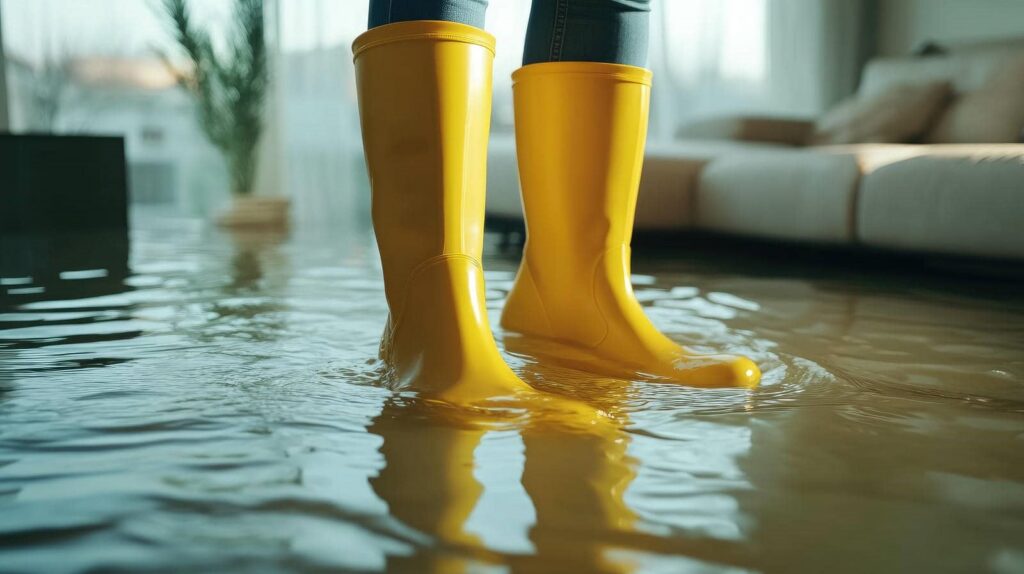
Did you know that about 14,000 people experience a water damage emergency every day in the U.S.? When faced with such a situation, it’s essential to follow specific steps to guarantee effective cleanup and restoration. From evaluating hazards to preventing future incidents, each action plays a significant role in mitigating damage and safeguarding your home. Understanding these steps can make all the difference in your recovery efforts.
Key Takeaways
- Assess the area for hazards, turn off power, and wear protective gear before beginning cleanup.
- Conduct a thorough inspection for water damage and use moisture measurement tools to identify affected areas.
- Remove standing water using submersible pumps or wet/dry vacs, and ensure thorough drying with dehumidifiers and fans.
- Perform mold remediation by sealing off affected areas, applying mold removal solutions, and monitoring for recurrence post-cleanup.
- Implement preventive measures like waterproofing, proper drainage, and community awareness to mitigate future water damage risks.
Stay Safe Before You Start Cleanup
Before you plunge into cleanup after water damage, it’s crucial to prioritize your safety. Start by evaluating the area for hazards, such as electrical issues or unstable structures.
Turn off the power supply to prevent shocks, and wear protective gear like gloves and masks to shield yourself from contaminants. Keep a list of emergency contacts handy, including local electricians and restoration services, in case you need immediate assistance.
Guarantee ventilation by opening windows or using fans to reduce moisture. If the damage is extensive, consider evacuating until professionals can appraise the situation.
How to Assess Water Damage Quickly and Accurately?
To assess water damage quickly and accurately, start with a thorough visual inspection of the affected areas.
Look for signs like discoloration, warping, or mold growth, which can indicate the extent of the damage.
Additionally, using moisture measurement tools will help you quantify the moisture levels and identify hidden problems within walls or floors.
Visual Inspection Techniques
When you’re faced with water damage, a thorough visual inspection is essential for a swift and accurate assessment.
Start by looking for visual cues like discoloration on walls, ceilings, and floors, which can indicate moisture presence. Pay attention to damage indicators such as warped wood, peeling paint, and mold growth, as they signal prolonged exposure to water.
Check areas around windows, doors, and plumbing fixtures for leaks or pooling water. Don’t forget to inspect hidden spaces like basements and attics, where damage can often go unnoticed.
Moisture Measurement Tools
Accurate moisture assessment is essential for effective water damage remediation.
To quickly and accurately evaluate the extent of water damage, you’ll want to use moisture meters and humidity gauges. Moisture meters help you pinpoint hidden dampness in materials like drywall and wood, allowing you to identify problem areas that may not be visible.
On the other hand, humidity gauges measure the ambient moisture levels in the air, which is vital for understanding how much drying is needed.
By utilizing these tools, you can make informed decisions about the remediation process, ensuring a thorough cleanup.
Don’t underestimate the importance of precise measurements; they can greatly impact your home’s recovery and your peace of mind.
Gather Essential Cleanup Equipment
To effectively tackle water damage, you’ll need to gather essential cleanup equipment.
Start by compiling a checklist of tools, safety gear, and cleaning supplies specific to your situation.
This preparation will streamline your efforts and guarantee you’re ready to address the damage efficiently.
Essential Tools Checklist
Having the right tools at your disposal is essential for a successful cleanup after water damage.
Start with a high-capacity wet/dry vacuum for efficient water extraction, ensuring you remove standing water quickly. A moisture meter will help you conduct a thorough damage assessment, identifying areas that may need extra attention.
Equip yourself with heavy-duty fans and dehumidifiers to promote drying and prevent mold growth. Don’t forget mops, buckets, and towels for quick cleanups. A sturdy ladder is also vital for inspecting hard-to-reach areas.
Finally, gather cleaning supplies like disinfectants and mildew removers to tackle contamination.
With this essential tools checklist, you’ll feel confident and prepared to restore your space effectively.
Safety Gear Necessities
While tackling water damage cleanup, prioritizing your safety is essential. You need to equip yourself with the right protective gear to minimize health risks and guarantee a safe working environment.
Start by gathering the following items:
- Protective clothing: Wear durable, waterproof attire to shield yourself from contaminants.
- Safety goggles: Protect your eyes from debris and potential chemical splashes.
- Gloves: Use heavy-duty gloves to prevent skin contact with harmful substances.
These essentials not only keep you safe but also instill confidence as you navigate the cleanup process.
Cleaning Supplies Overview
As you prepare for the cleanup process, gathering the right cleaning supplies is vital for effectively addressing water damage.
Start with a cleaning agents overview, which includes disinfectants, mildew removers, and degreasers. These products will help eliminate harmful bacteria and prevent mold growth.
Next, verify you have essential equipment like mops, buckets, and scrub brushes for thorough cleaning.
Don’t forget high-powered fans and dehumidifiers to facilitate drying.
Proper equipment maintenance is important; regularly check your tools for damage and cleanliness to confirm they work effectively.
With the right supplies and maintenance, you’ll create a safe and welcoming environment as you restore your space.
You’re not alone in this journey; community support is key to successful recovery.
Remove Standing Water Effectively
To effectively remove standing water, you must act quickly and methodically to minimize damage and prevent mold growth. Start by evaluating the situation; this helps you determine the best drainage techniques and pump selection for your needs.
- Identify the source of the water.
- Use a submersible pump for large amounts of water.
- Employ wet/dry vacs for smaller areas.
Once you’ve selected the right tools, make sure you’re prepared to handle any hazards, such as electrical risks.
Be thorough and systematic as you drain the water, checking for hidden pockets that might retain moisture. This initial step is essential, as it sets the foundation for the entire cleanup process, fostering a safe and welcoming environment for everyone involved.
Thoroughly Dry Out Affected Areas After Water Damage
After removing standing water, it’s crucial to thoroughly dry out the affected areas to prevent ongoing damage and mold growth.
Start by using dehumidifiers to extract moisture from the air. Place them strategically in rooms most impacted by water, making sure they’re running continuously.
Next, enhance air circulation by opening windows and doors, if weather permits, or by using fans to promote airflow. This combination of dehumidifier use and improved air circulation helps speed up the drying process considerably.
Monitor humidity levels with a hygrometer, aiming for a range between 30-50%.
Clean and Disinfect Surfaces After Water Damage
Once the affected areas are thoroughly dried, it’s vital to clean and disinfect all surfaces to eliminate any contaminants and prevent mold growth. You’ll want to use effective cleaning techniques to guarantee every surface is properly treated.
- Utilize a mixture of water and appropriate disinfectant
- Focus on high-touch areas like doorknobs and light switches
- Allow surfaces to air dry after cleaning
Start by removing any debris and then apply your cleaning solution. Scrub surfaces diligently, making sure you reach corners and crevices.
Pay special attention to porous materials, as they may retain moisture. After cleaning, rinse if necessary, and make certain to let everything dry completely.
This step is essential in safeguarding your space and fostering a healthy environment.
Identify and Treat Mold Growth After Water Damage
While addressing water damage, identifying and treating mold growth promptly is essential to prevent further complications.
Start by inspecting affected areas for common mold types like black mold or penicillium. Look for discoloration, musty odors, or dampness in walls, ceilings, and hidden spaces.
Once you spot mold, use effective remediation techniques such as sealing off the area to contain spores. Wear protective gear and apply a suitable mold removal solution, ensuring you follow the manufacturer’s instructions.
For extensive growth, consider consulting professionals to guarantee thorough treatment. After remediation, monitor the area for any signs of recurrence, and maintain low humidity levels to help prevent future mold issues.
Taking these steps will foster a healthier living environment for you and your loved ones.
Restore Your Belongings
With mold remediation complete, the next step involves restoring your belongings that may have been affected by water damage. Start by evaluating the extent of the damage to your items.
Document everything: Take photos before you begin the restoration process.
Prioritize sentimental items: Focus on what holds the most emotional value to you.
Evaluate damaged electronics: Determine if they can be repaired or need replacement.
For restoring sentimental items, consider professional services if they’re severely affected. Clean them gently and dry them thoroughly to prevent mold growth.
For electronics, consult a specialist to see if they can be salvaged. Your belongings are more than just possessions; they’re a part of your life. Take the time to restore them properly.
Prevent Future Water Damage Incidents
To effectively prevent future water damage incidents, you need to address potential vulnerabilities in your home or business proactively.
Start by investing in high-quality waterproofing solutions. This could involve sealing cracks in your foundation or applying waterproof membranes to vulnerable areas.
Next, consider drainage improvements; ensuring proper drainage systems can redirect water away from your property. Regularly inspect gutters and downspouts to prevent clogs that can lead to overflow.
Additionally, monitor your plumbing for leaks and repair them promptly.
By taking these measures, you not only protect your space but also foster a sense of security and community within your environment.
Frequently Asked Questions
How Long Does It Take for Water Damage to Show Visible Signs?
Water damage can show visible signs within 24 to 48 hours after water exposure. Early damage detection is vital; if you notice discoloration or musty odors, act quickly to prevent further complications and guarantee safety.
Can I File an Insurance Claim for Water Damage Cleanup Costs?
Yes, you can file an insurance claim for water damage cleanup costs, depending on your insurance policy. Start the claim process promptly, gathering documentation and estimates to strengthen your case and guarantee community support.
What Are the Health Risks Associated With Water Damage?
Water damage poses significant health risks, including mold exposure and bacterial growth. You may experience respiratory issues, allergies, or skin irritations. It’s essential to address these hazards promptly to protect your health and environment.
Should I Hire Professionals or Handle Cleanup Myself?
You might think DIY cleanup’s a breeze, but professional services can save you time and headaches. If you want thorough, safe results, consider hiring experts instead of risking your health with a hasty cleanup.
How Can I Prevent Mold Growth After Water Damage Cleanup?
To prevent mold growth, focus on moisture control. Use dehumidifiers, guarantee proper ventilation, and dry affected areas within 24-48 hours. Regularly inspect for leaks and employ mold prevention tips to maintain a healthy environment.
Summary
Effectively cleaning up after water damage is essential to prevent further issues, including mold growth, which can develop within 24 to 48 hours. With about 14,000 people in the U.S. experience a water damage emergency every day, it’s important to act swiftly and methodically. By following the outlined steps, you not only safeguard your property but also protect your health. Implementing preventive measures can further reduce the risk of future incidents and keep your home safe.